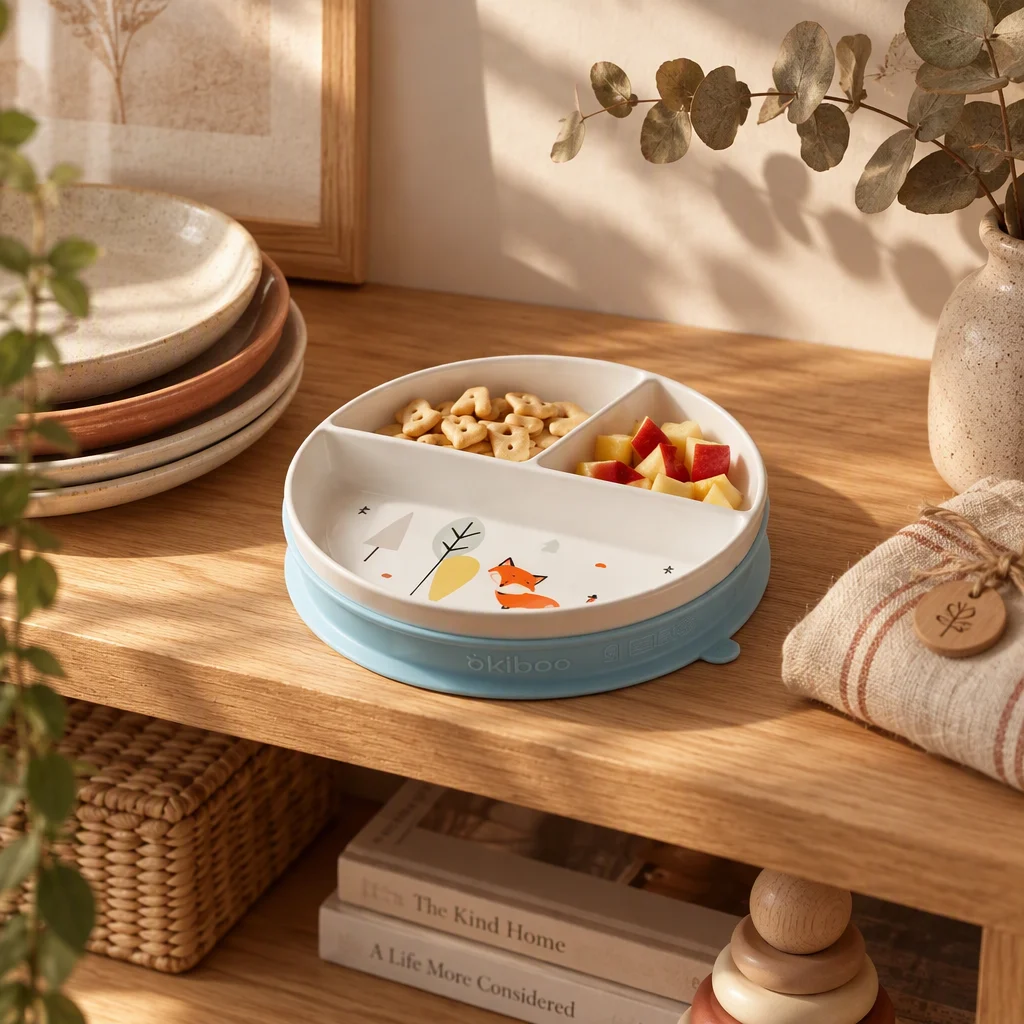
Plastic and melamine toddler plates usually look worn within months: scratched by spoons, stained and holding smells. Vitrified porcelain doesn’t scratch easily, stain or absorb smells, so it can last for years. The exception is a fall onto a hard floor, which can chip or break it.
In the world of modern parenting, we are often sold the idea that everything for a baby is temporary. We buy plastic strollers that wear out, clothes they outgrow in weeks, and—most notably—plastic bowls that end up in the trash before the child even reaches preschool.
But what if your baby’s first dish wasn’t just a temporary tool, but a piece of durable baby dinnerware designed to last a lifetime? Today, we’re looking at the ceramic vs. plastic lifespan and why choosing quality over “disposable convenience” is the smartest move for your wallet, your child, and the planet.
The “6-Month Cycle”: The Hidden Cost of Plastic
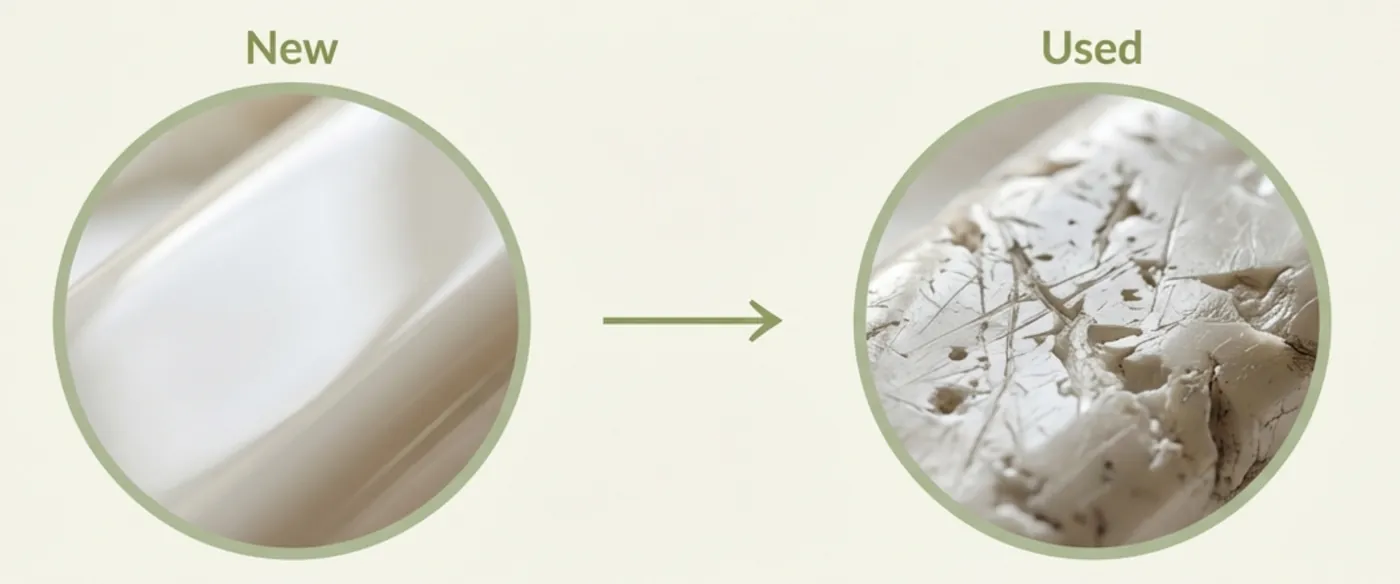
Plastic baby dishes are often marketed as “durable” because they don’t shatter. However, their functional lifespan is surprisingly short.
- The Scratch Factor: Every time a metal spoon or a rough sponge touches a plastic or melamine surface, it creates microscopic scratches. These scratches become a breeding ground for bacteria that are nearly impossible to sanitize completely.
- The Replacement Trap: Because of staining, odors, and surface degradation, many families end up replacing plastic feeding gear within a year or so.
- The Waste: For a generation of parents who value sustainability, the idea of sending a stack of plastic bowls to the landfill every year is a hard pill to swallow.
The Heirloom Quality of Ceramic
In contrast, high-fired porcelain is one of the hardest-wearing materials in the kitchen. It is vitrified, so it won’t scratch easily, won’t harbor bacteria in its surface, and won’t absorb the smells of last week’s dinner. It can chip or break if it falls on a hard floor, but short of that, a porcelain plate can be passed down to the next child.
The Montessori “Rite of Passage”
Choosing ceramic isn’t just about durability; it’s about the message you send to your child. In the Montessori baby feeding philosophy, children are treated as capable participants in the household.
- Confidence Through Quality: Serving a meal on a “real” dish signals to your baby that they are worthy of the same “grown-up” experience as the rest of the family.
- Building Respect: Using “real” items like ceramic helps children develop a sense of respect for objects. They learn the “gentle clink” of a spoon on porcelain, which provides the physical feedback needed to refine their motor skills.
- A Lifetime Transition: As your child grows from a toddler into a young child, our removable silicone base allows the dish to undergo a rite of passage. By removing the silicone base, the plate transitions from a “baby bowl” into a beautiful “big kid” dish that can be used for years to come.
The “Lifetime Dish” Strategy
Our Ceramic-Silicone Hybrid was designed with the entire lifespan of your family in mind.
- Infant/Toddler Phase: Use the silicone base as a shock absorber to provide “stay-put” stability while your child learns.
- Childhood Phase: Remove the base to provide a sleek porcelain plate that fits perfectly with your adult dinnerware.
- Beyond: Because our ceramic is non-toxic and high-fired, it remains a functional piece of kitchenware—perfect for side dishes, snacks, or even as a durable ramekin—long after your child has grown up.
The Bottom Line
Sustainability isn’t just about the material; it’s about how long that material stays out of the landfill. By choosing durable baby dinnerware over disposable plastic, you are choosing a ritual of care that values quality over quantity. You are giving your child a tool that builds their independence at mealtime and a gift that lasts a lifetime.
Ready to break the cycle of disposable plastic? See our divided porcelain plate, made to be used well past the toddler years.
Updated September 2026: added a short answer and questions parents ask, and removed claims we could not source.
Does a porcelain toddler plate scratch or stain?
Vitrified porcelain resists scratching and doesn’t absorb stains or smells, because the clay is fired until it is essentially impermeable. Artwork fired into the glaze, as on our plate, sits level with the surface, so cutlery can’t catch it.
Can a porcelain toddler plate be used as the child grows?
Yes. It suits children from around the first birthday into the early school years, and without its silicone base it is an ordinary 8-inch porcelain plate for snacks and side dishes.
Keep reading
- Should Toddlers Use Real Plates? The Montessori View
- Are Bamboo Kids’ Plates Safe? The Melamine Problem
- Toddler Plates That Match a Modern Kitchen
The plate this series is about. okiboo’s 8-inch divided porcelain toddler plate sits in a flat silicone base that holds it steady without suction cups, then lifts off and covers the plate for the fridge. Lab-tested for lead and cadmium, microwave and dishwasher safe.